
The Emerging Shift in Global Currency Power: Asia’s Rising Influence and the Future of Financial Realignment
Global currency dynamics may be poised for a fundamental transformation driven by evolving geopolitical tensions, particularly between the United States and China. A weak but increasingly visible signal points to an accelerated shift in currency power towards Asia, spearheaded by China’s strategic push to internationalize the yuan and reduce dependence on the U.S. dollar. This development holds the potential to unsettle long-established financial structures, creating disruptions across industries, governments, and international trade systems in the next 5 to 20 years.
Introduction
The future of global currency power appears to be gradually reorienting away from the dollar towards Asian currencies, with China’s yuan poised to play a significantly expanded role. Driven by geopolitical realignments and strategic economic objectives, this trend is far from a simple continuation of existing currency market patterns. Instead, it represents an emerging and underexplored weak signal of change with the capacity to disrupt international finance, trade agreements, investment patterns, and geopolitical alliances. As trade blocs and diplomatic relationships fragment or realign, currency power is likely to reflect and reinforce these shifts rather than simply follow economic fundamentals alone.
What’s Changing?
Several intertwined developments underscore the changing landscape of currency power:
- China’s Accelerated Internationalization of the Yuan (Renminbi): China has been steadily reducing its dollar holdings while expanding the yuan’s usage in global trade and finance. According to leading economists, this pace may accelerate markedly in response to intensifying geopolitical rivalry with the United States (ThinkBRICS).
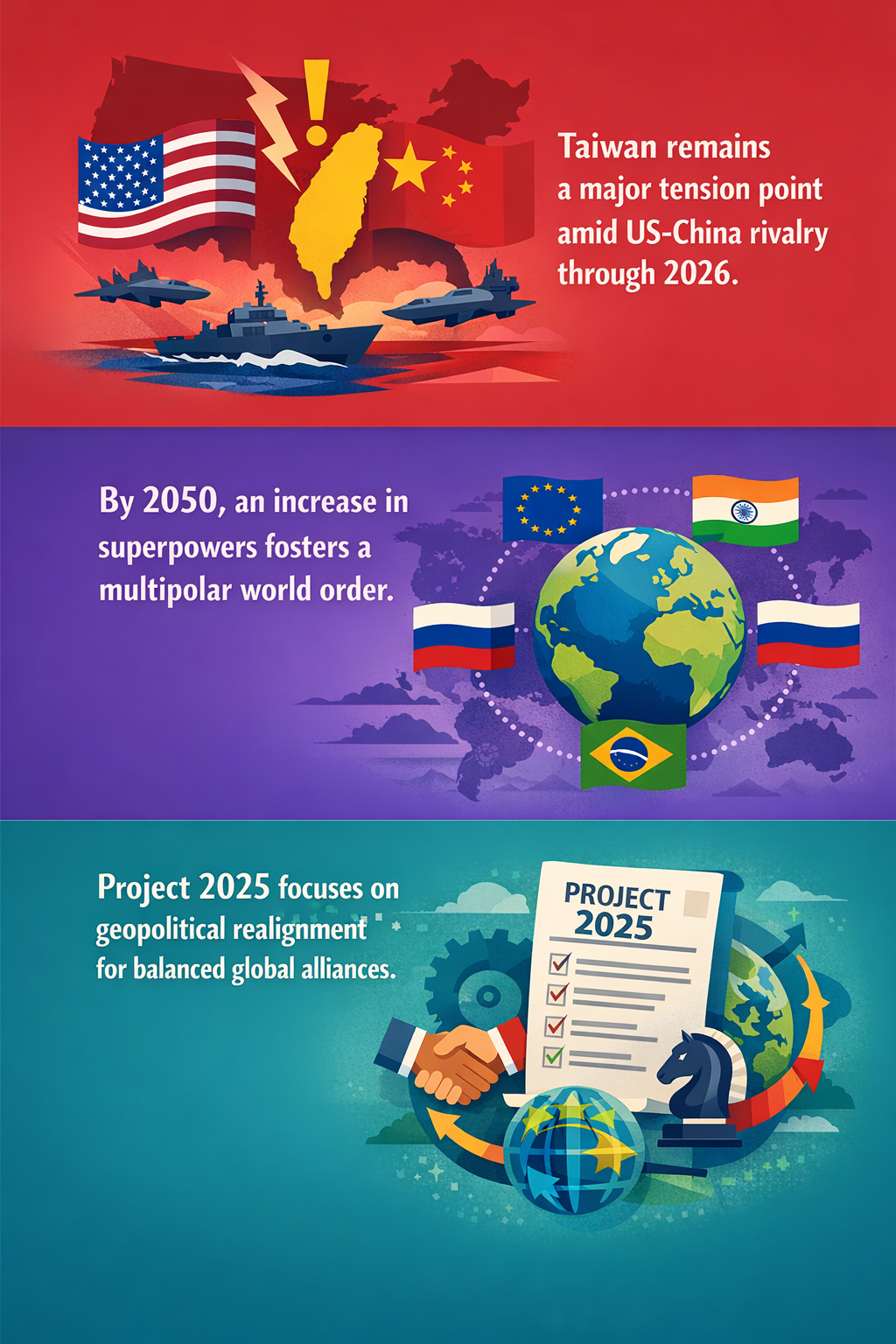
- US-China Strategic Competition: Rising tensions, particularly over Taiwan, have entrenched competitive postures that are pressuring both sides to strengthen financial autonomy. The U.S. may need to modify its longstanding dominance over global currency markets to compete effectively in a multipolar world (Egyptian Gazette, Foreign Affairs).
- Asia’s Geographic and Economic Centrality: Asia is becoming the new nexus of global trade and financial activity. This trend follows from the broader geopolitical realignment where currency power increasingly mirrors political and trade relationships. Asia’s growing clout enhances its regional currencies’ appeal as alternatives to the dollar in international transactions (TradingView).
- Fragmentation and Regionalization of Global Finance: Private capital and investment flows are adapting to heightened geopolitical risk and are increasingly targeted towards regional opportunities, particularly in Africa and Asia. This decentralization of capital could catalyze alternate currency systems aligned around specific geopolitical blocs (SRM Inform).
These factors collectively illuminate how a delicate but impactful shift in currency power could unfold over the next two decades. Rather than a sudden collapse of the dollar’s dominance, what may emerge is a complex, multipolar currency landscape reflecting realigned political and economic balances.
Why is This Important?
The potential rise of the yuan and other Asian currencies as global alternatives to the U.S. dollar carries significant implications for multiple sectors:
- International Trade and Investment: Companies may face increasing currency risk and complexity in international transactions. Pricing, contracts, and hedging strategies could need recalibration to accommodate multiple dominant currencies in key markets.
- Geopolitical Strategy and Diplomacy: Currency power shapes strategic leverage. States with influential currencies can wield economic coercion or incentives more effectively. Asian nations may gain new diplomatic tools, while the U.S. might need strategic adaptations to retain financial influence.
- Financial Markets and Institutions: Central banks, multinational corporations, and investors may have to reconsider portfolio allocations, foreign exchange reserves, and risk models. The traditional benchmark role of the dollar in credit markets, sovereign bonds, and commodities pricing might be challenged.
- Technological and Regulatory Innovation: The rise of digital currencies and financial technologies rooted in Asia could accelerate, offering new methods of international payment and clearance that bypass traditional dollar-based systems.
Overall, an emerging multipolar currency regime could upend the foundations on which global commerce and finance have relied for decades, compelling stakeholders to anticipate and strategically adapt to growing complexity and fragmentation.
Implications
The shifting currency power dynamics prompt several strategic considerations and potential consequences:
- Reevaluation of Currency Reserves and Hedging: Sovereign and corporate actors might diversify reserves beyond the dollar, increasing holdings in yuan, yen, and other Asian currencies. This shifts demand dynamics and could affect global liquidity conditions and capital flow stability.
- Regional Financial Blocs and Currency Alliances: Alignment around regional currencies could foster new financial blocs aligned with political alliances, such as the Belt and Road Initiative or other Asia-focused groupings. This geographic financial stratification could challenge the universality of current global financial infrastructures.
- Impact on US Dollar’s Global Role: While it may not be displaced, the dollar’s preeminence could be diminished, lowering the “exorbitant privilege” the US currently enjoys. This might compel policy shifts to preserve competitiveness, affecting the U.S. economy and geopolitical posture.
- Accelerated Development of Digital and Central Bank Digital Currencies (CBDCs): China’s digital yuan initiatives might gain momentum, enhancing cross-border payment efficiency and transparency, thereby setting new standards for international currency usage and challenging traditional banking practices.
- Risks of Fragmentation and Instability: Currency competition could exacerbate volatility in foreign exchange markets and complicate multilateral monetary cooperation, especially if geopolitical tensions escalate or trade fragmentation deepens.
Proactive engagement in these areas is essential for governments, financial institutions, and businesses aiming to navigate this evolving environment successfully.
Questions
- How prepared are financial institutions and multinational corporations to operate effectively in a multipolar currency environment?
- What strategic adjustments should governments consider to balance maintaining influence with fostering global financial stability?
- How might emerging digital currency technologies reshape cross-border transactions and influence the global currency hierarchy?
- What contingencies can be developed to manage greater volatility and fragmentation in currency markets?
- How could regional economic blocs leverage currency power to advance broader geopolitical objectives?
Keywords
global currency power; yuan internationalization; US-China rivalry; geopolitical realignment; central bank digital currencies; financial fragmentation
Bibliography
- Strategic opportunities in a changing landscape Despite the headwinds of global geopolitical realignment, long-term opportunities for private capital are growing. SRM Inform. https://www.s-rminform.com/latest-thinking/investing-in-africa-2026-navigating-risks-and-opportunities-in-a-fragmented-world
- As US-China rivalry intensifies, Taiwan is expected to remain a focal point of tension throughout 2026. Egyptian Gazette. https://egyptian-gazette.com/op-ed/2026-at-crossroads-taiwan-testing-ground-for-us-china-rivalry/
- The more intense the US-China rivalry, the faster China will reduce its dollar holdings and accelerate yuan internationalization. ThinkBRICS. https://thinkbrics.substack.com/p/chinas-top-economist-jian-lian-reveals
- To successfully compete in a multipolar world, the United States will need to shift its strategy. Foreign Affairs. https://www.foreignaffairs.com/united-states/making-multipolarity-work
- Geopolitical Realignment: Currency power will increasingly mirror global political and trade realignments, with Asia playing a central role. TradingView. https://www.tradingview.com/chart/BANKNIFTY/MnylSc6W-The-Future-of-Exchange-Rate-Dynamics-in-a-Globalized-Economy/